




 Geopolitics
08 April 2026
Bergeson & Campbell
Geopolitics, Energy Prices, and Carbon Policy: Will Conflict with Iran Reshape U.S. Climate Strategy?
Escalating tensions between the United States and Iran are reverberating far beyond the immediate theater of armed conflict. Energy markets have responded quickly, with oil and gas prices rising amid concerns over supply disruptions in the Middle East. However, this moment reflects a deeper structural reality: the global economy is in a transitional phase of an incomplete energy transition, where fossil fuels and renewables coexist unevenly.
The Iran conflict, particularly given its proximity to the Strait of Hormuz—through which a significant portion of global oil and liquefied natural gas flows—has historically introduced volatility into global energy markets. What distinguishes the current moment is timing: the Iran conflict represents the third major global energy shock in just a few years, following the COVID-19 pandemic and Russia’s invasion of Ukraine. These shocks occur in a transitional phase where both fossil-fuel-dependent and clean-energy systems coexist, straining against each other.
Despite rapid growth in renewables, the global economy remains heavily dependent on fossil fuels. Investment patterns and policy signals are shifting toward cleaner energy, but the need to tighten fossil fuel supplies and recognize increased vulnerability to disruption persists. The United States is simultaneously more exposed to shocks and less able to absorb them smoothly. For industries reliant on oil and gas, this translates into heightened uncertainty: feedstock costs may spike quickly, while downstream impacts—such as increased prices for fertilizers—can ripple across further sectors.
In theory, sustained increases in fossil fuel prices could mimic the effects of a carbon tax: higher prices discourage consumption, incentivize efficiency, and make alternatives more attractive. However, these price increases are driven by geopolitical instability and supply disruption, making them volatile, uneven, and uncoordinated. They often produce broader economic stress, including inflation, further supply chain disruptions, and even recessionary pressures. The same dynamics that increase prices can also slow the energy transition itself.
Policymakers frequently respond to energy shocks not by reinforcing price signals but by attempting to stabilize markets—through reserve releases, subsidies, or regulatory flexibility. This undermines the predictability required for long-term decarbonization strategies. The prospect of a formal carbon tax under the Trump Administration remains unlikely, as President Trump historically opposed carbon pricing mechanisms, favoring deregulation and expanded domestic energy production. Current policy signals align with this approach, emphasizing energy independence and affordability over emissions-based pricing.
The broader structural dynamics complicate the picture: the world is navigating a prolonged period where both fossil fuels and renewables coexist, and energy security concerns can override climate ambitions. For stakeholders in the chemical and manufacturing sectors, the key takeaway is persistent volatility shaped by the energy transition itself. Companies should prepare for repeated energy shocks, uncertain policy signals, and diverging global approaches, particularly as jurisdictions like the European Union advance formal carbon pricing mechanisms.
Notably, the current moment may accelerate certain long-term trends. The scale of disruption caused by fossil fuel dependence could strengthen the case for diversification into renewable and alternative energy sources, even if the transition remains uneven. The Iran conflict underscores a critical reality: the global energy system is evolving through disruptions, adjustments, and competing priorities. While higher fossil fuel prices may resemble a carbon tax in limited respects, they are not a substitute for stable, intentional policy design or a solid placeholder for renewable approaches.
In the longer term, repeated shocks may reinforce the underlying rationale for more structured approaches to carbon management—whether through pricing, regulation, innovation incentives, and/or renewable energy technologies. For now, the trajectory is likely to continue emphasizing energy supply resilience and cost containment, though shocks of this nature may eventually reinforce the need for more structured carbon management strategies.
Related Articles

21 April 2026
FXStreet
Pound declines amid geopolitics and political risks
GBP/USD traded at 1.3515 on Tuesday as the US dollar strengthened. Pressure on the pound intensified at the start of the week following a sharp escalation of th...
Read More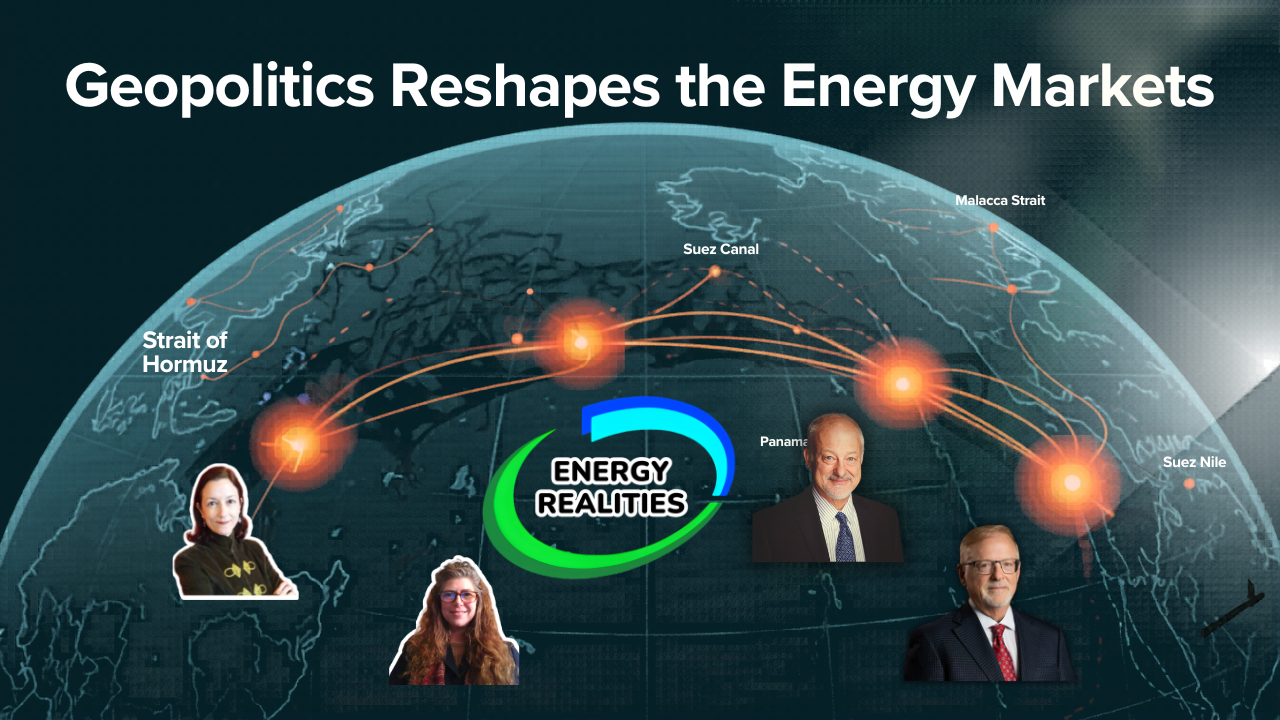
20 April 2026
Energy News Beat
Geopolitics Reshapes the Energy Markets
The Energy Realities Gang of Irina Slav, Dr. Tammy Nemeth, David Blackmon, and me had way too much fun this morning. We had GREAT questions from the live viewer...
Read More
20 April 2026
FXStreet
Gold: Buy dips as geopolitics whipsaw risk – OCBC
OCBC strategists Sim Moh Siong and Christopher Wong highlight that Gold remains closely tied to risk proxies, with weekend geopolitical twists denting risk appe...
Read More
16 April 2026
FXStreet
AUD/USD slips as USD rebounds, Oil and geopolitics in focus
The Australian Dollar (AUD) trades under pressure against the US Dollar (USD) on Thursday, as the Greenback steadies after recent weakness, allowing AUD/USD to...
Read MoreRecent Articles
Apr 21, 2026
Pound declines amid geopolitics and political risks
Apr 20, 2026
Geopolitics Reshapes the Energy Markets
Apr 20, 2026