




 War
War
02 April 2026
The Guardian
Drive slower, work from home and ditch the tie: the world responds to Iran war energy crisis
Shrinking fuel stocks and soaring prices are leading countries around the world to burn coal, ration fuel, shorten work weeks, and encourage citizens to work from home. Fossil fuel supplies have reduced since the war against Iran led to the closure of the Strait of Hormuz, a crucial shipping route for oil and seaborne gas. The shortfall has prompted emergency measures as governments attempt to halt rising costs that have thrown economies into chaos.
The International Energy Agency (IEA) has called for actions such as flying less and driving slower. The United States, which bombed Iran in late February, has threatened further strikes on Iranian oil infrastructure, potentially prolonging the war and raising fuel prices further. The Trump administration has doubled down on oil investments, blocking renewable projects while expanding fossil fuel production. The UK has encouraged people to stay calm, offering financial support for those using oil to heat homes but avoiding calls to curb demand. Australia has halved fuel excise for three months, while New Zealand has introduced weekly cash payments to families in financial distress.
The European Union has called for a faster shift to clean energy, though some member states are slowing this transition. Italy delayed its coal phase-out plan, and Germany is considering keeping coal plants operational longer. Several EU governments have announced fuel subsidies and tax cuts. Slovenia has begun fuel rationing, and Lithuania has halved train ticket prices for two months.
Coal is resurging across Asia, with India and Japan allowing less-efficient coal plants back online. South Korea has delayed its coal phase-out, and Bangladesh, Thailand, and the Philippines are increasing electricity output from coal. Sri Lanka has introduced fuel rationing and a four-day workweek. China, despite its strategic oil reserves, avoids Iranian crude imports but processes it domestically.
Africa, heavily reliant on imported refined oil, faces severe vulnerability due to rising fertilizer prices. South Africa reduced its fuel levy for one month, while Tanzania strengthened its fuel reserves and set a price cap. Ethiopia introduced a special fuel subsidy, and Zimbabwe plans to increase ethanol blending. South Sudan rationed electricity in Juba, and Mauritius curtailed non-essential grid power.
In South America, right-wing governments have resisted calls to suppress fuel price rises. Chile’s new president increased fuel prices to align with global rates, while Brazil’s ethanol-based vehicle fleet offers partial protection. Argentina delayed a tax increase on liquid fuels and allowed ethanol blending in gasoline. Reuters and AP contributed to this report.
Related Articles

09 April 2026
NPR
North Korea says its latest weapons tests included missiles with cluster-bomb warheads
North Korea said Thursday its testing spree this week involved various new weapons systems, including ballistic missiles armed with cluster-bomb warheads, as it...
Read More
03 April 2026
Crash.net
Former Marc Marquez MotoGP rival warns his “situation is more series than it seems”
Former MotoGP rival Andrea Dovizioso warns that Marc Marquez’s physical situation is ‘more serious than it seems’ after a shoulder injury ruled him out for the...
Read More
03 April 2026
BBC
Myanmar's coup leader who set off a brutal civil war becomes president
Myanmar's coup leader who set off a brutal civil war becomes president 4 days ago. Jonathan Head, South East Asia correspondent, reports on Myanmar military par...
Read More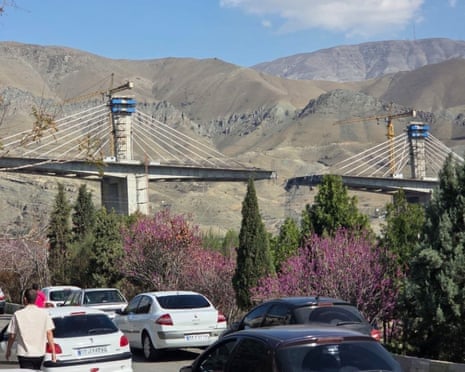
03 April 2026
The Guardian
Trump warns Tehran ‘more to follow’ after strike destroys Iran’s largest bridge
Donald Trump claimed responsibility for destroying Iran’s largest bridge, the 136-meter-high $400 million B1 suspension bridge between Tehran and Karaj, after t...
Read MoreRecent Articles
Apr 21, 2026
Pound declines amid geopolitics and political risks

Apr 20, 2026
Geopolitics Reshapes the Energy Markets

Apr 20, 2026