




 Defense
02 April 2026
Breaking Defense
Iran conflict could open door for new players in Gulf defense market
With active conflict in the Middle East ongoing, it may seem premature to consider implications for the defense sector and defense industrial cooperation. However, the conflict will force regional powers like Saudi Arabia, UAE, Qatar, and others to rethink funding, procurement, and partnerships for defense capability realignment—a complex and costly process. Gulf countries will need to replenish and redevelop their defense capabilities, potentially casting a wide net to address the new geostrategic reality.
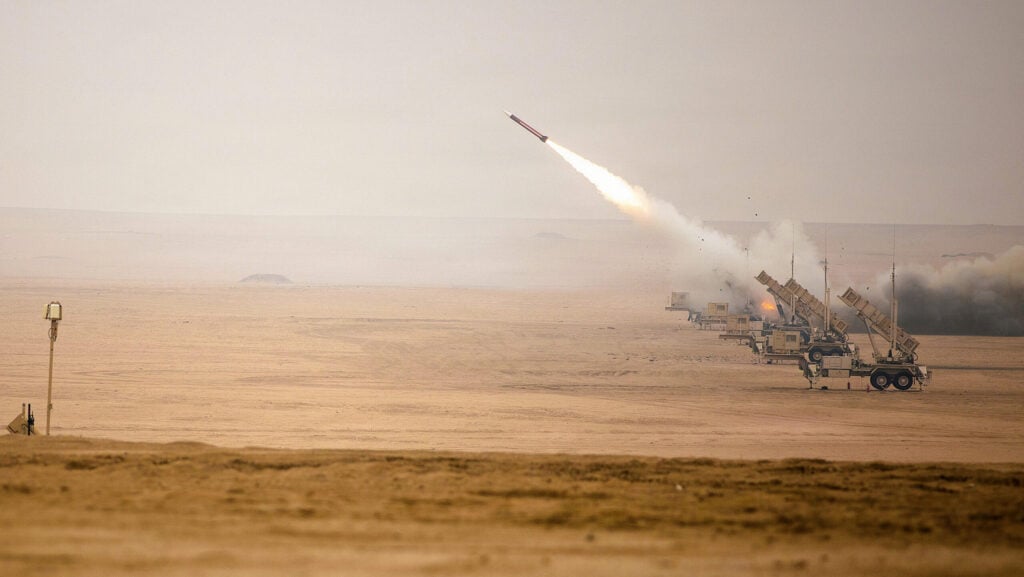
The conflict has exposed a split between Gulf countries and the US, with Gulf nations perceiving US communication as inadequate and local military preparation insufficient. Iran’s retaliatory attacks have had limited military impact on Gulf countries but caused significant economic and geopolitical fallout. Gulf militaries will likely invest heavily in restoring stockpiles of anti-missile interceptors (AMD), with thousands of units potentially required. While US suppliers face domestic demand and export backlogs, competitors like the Franco-Italian SAMP/T AMD system may gain traction due to better delivery timelines.
Gulf countries will also rebalance their arsenals, favoring low-cost solutions such as BAE’s APKWS guided rockets, Ukrainian unmanned drone hunters, and non-kinetic directed energy systems. Investments in airborne counter-UAV platforms, like Embraer’s A-29 Super Tucano, and airborne early warning & control (AEW&C) systems, such as Saab’s GlobalEye, will be prioritized. New maritime investments will focus on asymmetric threats like Fast Inshore Attack Craft (FIAC) and mine detection technologies, including drones and advanced sensors.
Upgrades to sensing, command & control, and AI capabilities will be essential for integrating new systems. Gulf countries will likely seek alliances with traditional providers, including US-based firms, despite strained supply chains. European and Asia-Pacific providers may also gain market share, though interoperability challenges may arise. China is expected to expand its presence in the defense market. Additionally, Gulf localization initiatives will accelerate, driven by a desire for defense industrial self-sufficiency.
The Gulf Cooperation Council (GCC)—comprising Saudi Arabia, UAE, Bahrain, Kuwait, Oman, and Qatar—has faced unprecedented challenges, testing its unity. Post-conflict security functions may evolve toward joint command & control or coordinated defense procurements, assuming diplomatic disputes are resolved. The conflict underscores the need for a careful reassessment of defense investments, alliances, and global defense industry dynamics.
Related Articles

03 April 2026
ESPN
Blue Jackets defenseman Damon Severson has season-ending shoulder surgery
Blue Jackets defenseman Damon Severson has season-ending shoulder surgery
Read More
03 April 2026
TribLIVE.com
Penguins defenseman Caleb Jones undergoes shoulder surgery
Pittsburgh Penguins defenseman Caleb Jones underwent surgery on his right shoulder and will miss the remainder of the season. The surgery took place March 18 an...
Read More
03 April 2026
NHL.com
Defenseman Caleb Jones Undergoes Successful Shoulder Surgery
Pittsburgh Penguins defenseman Caleb Jones underwent successful surgery on his right shoulder, announced today by President of Hockey Operations and General Man...
Read More
03 April 2026
nbcsports.com
Aaron Glenn: We’re going to be a little bit of everything on defense
The Jets made a major change to their defensive operations after going the entire 2025 season without intercepting a pass. Head coach Aaron Glenn will now be ca...
Read MoreRecent Articles

Apr 21, 2026
Pound declines amid geopolitics and political risks

Apr 20, 2026
Geopolitics Reshapes the Energy Markets

Apr 20, 2026